


Plumbing is one of the most essential systems in any home or commercial property, yet it is often overlooked until something goes wrong. Regular inspections help prevent expensive repairs, water damage, and unexpected emergencies. Many homeowners ask the important question: how often should I have my plumbing inspected?
Understanding the right inspection schedule can save money, extend the life of your plumbing system, and keep your property safe. Professional plumbing inspections ensure that pipes, drains, fixtures, and water systems are functioning properly and efficiently.
Why Plumbing Inspections Are Important
Plumbing systems work quietly behind walls and under floors, which means issues can go unnoticed for months or even years. Small leaks, corrosion, or pressure problems can develop gradually and eventually lead to major damage.
Regular inspections help identify problems early before they become serious. A professional plumber can detect signs of pipe wear, hidden leaks, water pressure issues, and drain blockages that homeowners may not notice.
Routine inspections also help improve water efficiency and reduce utility bills. By identifying inefficient fixtures or minor leaks, a plumber can recommend repairs that save water and energy.
Recommended Frequency for Plumbing Inspections
Many plumbing professionals at Philip Cheeseman & Sons recommend scheduling a full plumbing inspection at least once every year. Annual inspections help ensure that your plumbing system remains in good condition and any developing issues are addressed promptly.
However, the answer to how often should I have my plumbing inspected may vary depending on several factors such as the age of the property, water quality, and how heavily the plumbing system is used.
For older homes with aging pipes, inspections may be recommended every six months. Older plumbing systems are more vulnerable to corrosion, leaks, and pressure issues, making regular checks especially important.
Newer homes may require inspections every one to two years, but routine checks can still help maintain long-term system reliability.
Signs You Should Schedule a Plumbing Inspection
Even if you follow a regular inspection schedule, there are certain signs that indicate you should call a plumber immediately.
Slow draining sinks or bathtubs can signal a developing blockage in your drainage system. Low water pressure may indicate leaks, pipe buildup, or valve issues.
Unusual noises such as banging or rattling pipes can suggest pressure problems or loose pipe fittings. Water stains on walls or ceilings may be signs of hidden leaks within the plumbing system.
If you notice unpleasant odors coming from drains or water discoloration, these may also be warning signs that your plumbing system requires professional attention.
In these cases, understanding how often should I have my plumbing inspected becomes less about routine maintenance and more about addressing urgent issues.
What Happens During a Plumbing Inspection?
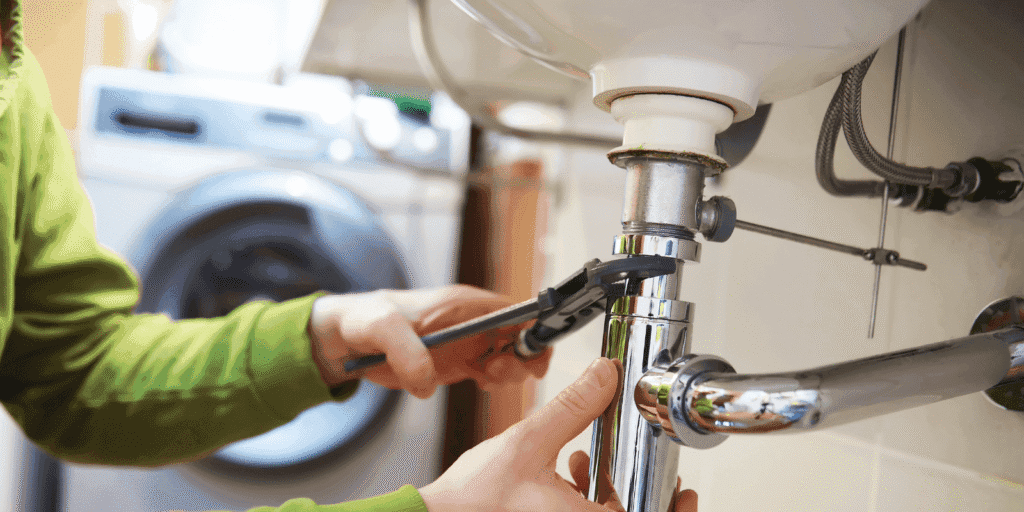
A professional plumbing inspection typically involves a comprehensive check of the entire system. Plumbers examine pipes, water heaters, faucets, drains, and shut-off valves to ensure everything is functioning properly.
Leak detection is an important part of the process. Even small leaks can waste significant amounts of water and cause structural damage over time.
Plumbers at Philip Cheeseman & Sons also check water pressure levels, inspect visible pipes for corrosion, and assess the condition of fixtures such as sinks, toilets, and showers.
Drainage systems may also be evaluated to ensure water flows properly without blockages or buildup.
By performing these checks, plumbers can identify potential problems early and recommend necessary maintenance or repairs.
Benefits of Preventative Plumbing Maintenance
Preventative maintenance is one of the biggest advantages of regular plumbing inspections. Instead of waiting for a major issue to occur, inspections allow plumbers to address minor concerns before they become costly repairs.
This proactive approach can extend the lifespan of your plumbing system and protect your home from water damage. Burst pipes, hidden leaks, and blocked drains are far less likely to occur when systems are maintained regularly.
Another benefit is improved water efficiency. Small leaks or inefficient fixtures can waste thousands of litres of water each year. Inspections help identify these issues and keep your plumbing system operating efficiently.
Understanding how often should I have my plumbing inspected helps homeowners take control of their property maintenance and avoid unnecessary expenses.
Plumbing Inspections for Landlords and Property Owners
For landlords and property managers, regular plumbing inspections are even more important. Rental properties often experience higher usage, which can place additional strain on plumbing systems.
Scheduling routine inspections helps ensure that plumbing systems remain safe and functional for tenants. It also helps landlords avoid emergency repairs and maintain property value.
Many property professionals recommend annual inspections as part of standard property maintenance.
When Buying or Selling a Property
Plumbing inspections are also crucial during property transactions. Buyers often request plumbing inspections to ensure there are no hidden issues before completing a purchase.
Sellers can also benefit from inspections by addressing plumbing problems before listing a property. This can improve buyer confidence and prevent negotiation issues later in the process.
Choosing a Professional Plumbing Service
Hiring a qualified plumbing professional ensures inspections are thorough and reliable. Experienced plumbers have the tools and expertise needed to identify issues that may not be visible to homeowners.
A reputable plumbing company can also provide advice on maintenance schedules, system upgrades, and preventative measures to protect your property.
Professional inspections give homeowners peace of mind and ensure plumbing systems remain safe and efficient.
FAQ
How often should I have my plumbing inspected in a typical home?
Most experts recommend scheduling a plumbing inspection once a year. Annual inspections help identify small issues before they turn into expensive repairs.
Do older homes require more frequent plumbing inspections?
Yes. Homes with older pipes or plumbing systems may benefit from inspections every six months to catch signs of wear or corrosion early.
Can plumbing inspections help reduce water bills?
Yes. Inspections can identify leaks or inefficient fixtures that waste water, helping reduce utility costs over time.
Is a plumbing inspection necessary before buying a house?
A plumbing inspection is highly recommended before purchasing a property to ensure the plumbing system is in good condition.
What is included in a plumbing inspection?
A typical inspection includes checking pipes, drains, fixtures, water heaters, water pressure, and looking for leaks or corrosion.
Conclusion
Understanding how often should I have my plumbing inspected is key to maintaining a safe and efficient home. Regular inspections help detect hidden issues, prevent expensive repairs, and keep plumbing systems functioning properly.
Whether you own a new home or an older property, scheduling routine inspections is a smart investment in long-term property maintenance. By working with a professional plumbing service, homeowners can ensure their plumbing systems remain reliable and efficient for years to come.
Contact Information
Philip Cheeseman & Sons
Phone: 01225 705626
Email: info@cheesemanplumbing.com
Address: 2 Marti Close, Melksham, SN12 7JA