


A reliable heating system is essential for keeping your home comfortable throughout the UK’s colder months. If you are considering Central Heating Installation in Bath, choosing the right system and having it professionally installed can improve warmth, efficiency and long-term reliability. Cheeseman Plumbing provides plumbing and heating services for homeowners in Bath and surrounding areas, helping customers find practical solutions for their heating requirements.
Installing a new central heating system is a significant investment, so it is important to understand what is involved before making a decision. Cheeseman Plumbing can help homeowners assess their existing heating arrangements and determine whether a new installation, boiler replacement or heating upgrade is appropriate for their property.
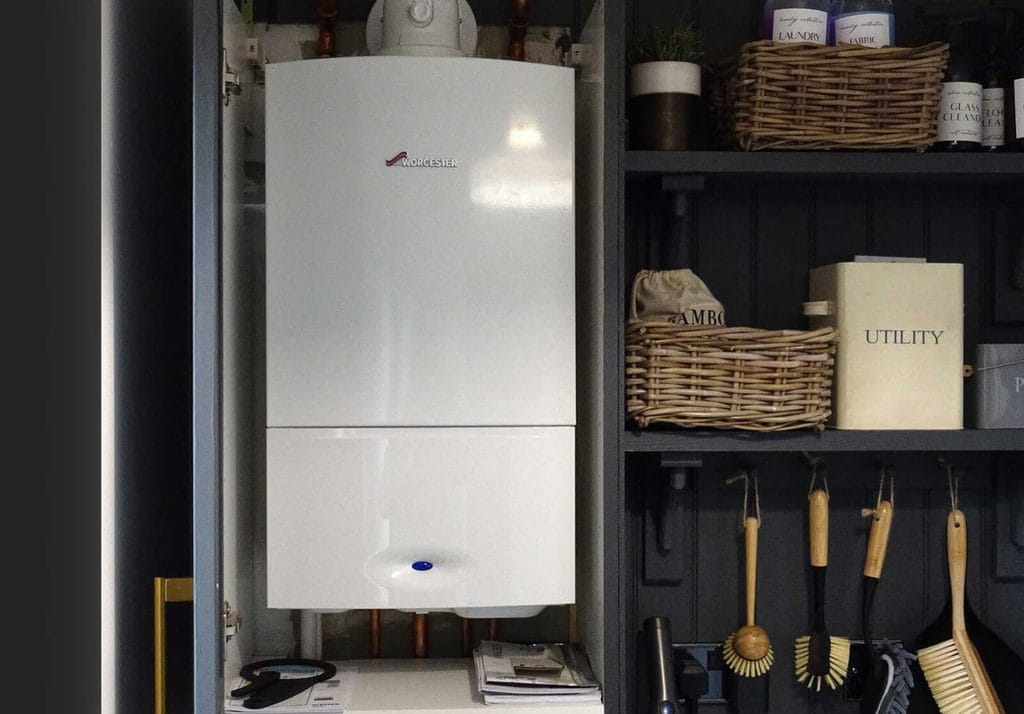
What Is Central Heating?
Central heating is a system designed to distribute heat throughout a property from a central heat source. In many UK homes, this involves a boiler heating water that circulates through radiators and provides hot water for household use.
Modern central heating systems can be designed around different boiler types and property requirements. The right solution depends on factors such as the size of the home, number of occupants, hot water demand and existing pipework.
A professionally designed system can provide consistent heating across different rooms while giving homeowners greater control over indoor temperatures.
Why Consider a New Central Heating System?
There are several reasons why homeowners may decide to install or upgrade their heating system.
Improved Energy Efficiency
Older heating systems may not operate as efficiently as modern alternatives. Upgrading outdated equipment can provide an opportunity to improve the overall performance of your home’s heating.
A suitably sized and correctly installed boiler can help reduce unnecessary energy consumption while providing the heat your property requires.
Better Home Comfort
Uneven heating can make some rooms feel noticeably colder than others. A properly designed central heating system can distribute heat more consistently throughout the property.
Modern heating controls can also allow homeowners to adjust temperatures according to their daily routines.
Greater Reliability
Frequent boiler breakdowns and recurring heating problems can become frustrating and expensive. If an existing system is reaching the end of its useful life, replacing it may provide a more dependable long-term solution.
More Effective Heating Controls
Modern heating systems can incorporate programmable thermostats, timers and other controls. These allow homeowners to manage heating more precisely rather than relying on a basic on-and-off arrangement.
What Type of Heating System Is Right for Your Home?
The most suitable heating arrangement depends on the property and its hot water requirements.
Combi Boilers
Combination boilers heat water directly when required and do not normally require a separate hot water cylinder. They can be a practical option for smaller properties and households with moderate hot water demand.
System Boilers
System boilers work with a hot water cylinder and can provide a strong supply of hot water for homes with higher demand. They can be suitable for properties where multiple taps or showers may be used at the same time.
Conventional Boilers
Conventional or regular boiler systems typically work with a hot water cylinder and cold-water storage tank. They may be appropriate for larger properties or homes with an existing traditional heating system.
A qualified heating professional can assess your property and explain which system is likely to be most suitable.
What Is Involved in Central Heating Installation?
Central heating installation involves more than simply fitting a new boiler. The entire heating system needs to be considered.
The process may include assessing the property, determining heat requirements, selecting suitable equipment and planning the location of the boiler and other components.
Radiators may need to be replaced, repositioned or added depending on the property’s heating requirements. Pipework may also need modification to accommodate the new system.
Once the installation is complete, the system should be tested and commissioned correctly. The homeowner should also receive information about operating the new equipment and controls.
Gas-related work must be carried out by an appropriately qualified Gas Safe registered engineer.
How Much Does Central Heating Installation Cost?
The cost of a new heating system varies considerably between properties. Factors can include:
- Boiler type and model
- Number and size of radiators
- Amount of new pipework required
- Property size and layout
- Complexity of the installation
- Heating controls
- Removal of existing equipment
- Additional plumbing work
Because every property is different, obtaining a professional assessment and quotation is the best way to establish the likely cost.
It is also important to consider long-term value rather than choosing an installation based solely on the lowest initial price. Equipment quality, installation standards, energy efficiency and future maintenance can all influence the overall value of a heating system.
How to Prepare for a New Heating Installation
Before installation begins, clear access to the boiler, radiators and relevant areas of the property. Discuss your heating requirements with the installer and mention any rooms that currently feel particularly cold.
You should also consider how you use your home. For example, a household that regularly needs hot water at several outlets simultaneously may have different requirements from a smaller household.
If you are replacing an old boiler, ask about the condition of existing radiators and pipework. Installing a new boiler may reveal that other parts of an older heating system also require attention.
How Can You Make Your New Heating System More Efficient?
Installing an efficient heating system is only part of maintaining good energy performance. How you use the system also matters.
Use heating controls to avoid heating an empty home unnecessarily. Programmable thermostats can help establish heating schedules that match your routine.
Keeping radiators unobstructed can also help heat circulate effectively. Furniture and heavy curtains placed directly in front of radiators may restrict the movement of warm air.
Good insulation and properly sealed windows and doors can further reduce heat loss. A well-maintained heating system combined with an energy-efficient property can provide more comfortable indoor temperatures while reducing wasted energy.
Why Professional Installation Matters
Professional installation is important for both safety and system performance. Incorrectly installed heating equipment can result in inefficient operation, faults or potentially dangerous situations.
A qualified installer can assess the property, correctly size equipment, install components according to relevant requirements and ensure the system is properly commissioned.
Professional installation can also make future maintenance and repairs easier because the system has been installed with its components and controls correctly integrated.
For homeowners considering Central Heating Installation in Bath, using an experienced heating professional can provide greater confidence that the system is appropriate for the property and installed correctly.
When Should You Replace Your Central Heating System?
There is no single replacement age that applies to every heating system. However, frequent breakdowns, increasing repair costs, poor efficiency and difficulty obtaining replacement parts can all indicate that an older system is approaching the end of its useful life.
If your boiler is still reliable and economical to operate, replacement may not be necessary. A professional assessment can help determine whether repair, servicing or complete replacement makes the most sense.
Frequently Asked Questions
How long does central heating installation take?
Installation times vary according to the size and complexity of the property. A straightforward boiler replacement may take less time than installing a completely new central heating system.
Which boiler is best for a Bath home?
There is no single boiler that is best for every property. The appropriate choice depends on the home’s size, hot water demand, existing system and household requirements.
Can radiators be replaced during installation?
Yes. Radiators can be replaced, repositioned or added where appropriate as part of a heating system upgrade.
Is professional installation necessary?
Yes. Gas boiler and associated gas work should be carried out by appropriately qualified professionals. Professional installation also helps ensure the heating system operates safely and effectively.
Should I replace my boiler and radiators at the same time?
Not necessarily. The condition of the existing radiators and pipework should be assessed before deciding whether they need replacement.
Conclusion
A well-designed central heating system can make a significant difference to home comfort, reliability and energy efficiency. Choosing the right boiler, radiators and heating controls is important, but so is ensuring that the system is correctly installed and maintained.
If your existing heating system is outdated, unreliable or no longer suitable for your household, Central Heating Installation in Bath could provide an opportunity to create a more efficient and comfortable home heating solution. A professional assessment can help you understand your options and choose an installation suited to your property’s needs.
Contact Cheeseman Plumbing
Phone: 01225 705626
Email: info@cheesemanplumbing.com
Address: 2 Marti Close, Melksham, SN12 7JA.