


Keeping your home warm and comfortable requires a heating system that can perform reliably throughout the year. With professional Boiler Installations in Swindon, homeowners can replace outdated systems or install a suitable new boiler designed around their property’s heating and hot water requirements. Cheeseman Plumbing provides practical heating solutions to help homeowners maintain a comfortable indoor environment.
Choosing and installing a boiler requires more than selecting an appliance from a catalogue. Cheeseman Plumbing can help homeowners consider factors such as property size, hot water demand, existing heating infrastructure and available installation space. A professionally installed system can provide dependable heating while helping homeowners manage energy use and ongoing maintenance requirements.
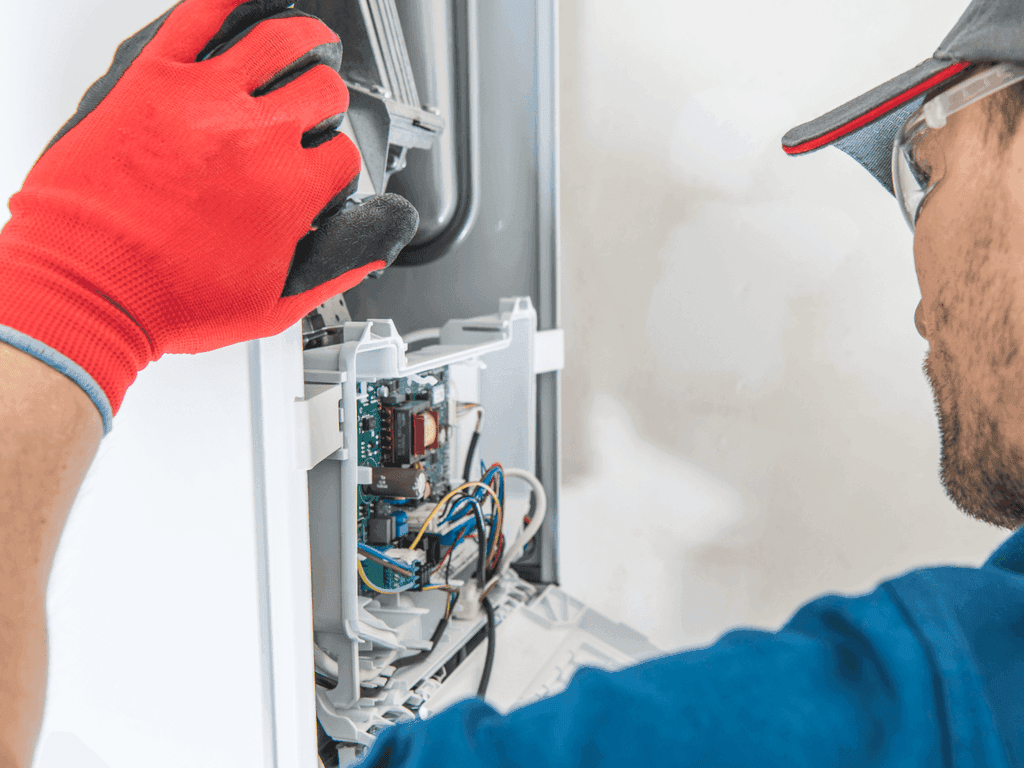
Why Professional Boiler Installation Is Important
A boiler is a central component of many residential heating systems. It needs to work safely and efficiently alongside pipework, radiators, controls and hot water components. Boiler Installations in Swindon should therefore be planned carefully to ensure the new appliance is appropriate for the property and compatible with the existing heating system.
Professional installation also allows potential issues with the existing system to be identified before the new boiler is fitted. This can include outdated pipework, unsuitable connections, pressure problems or other components that may require attention.
Choosing the Right Boiler for Your Property
There are several types of boilers available, and the most suitable option depends on the requirements of the household.
Combi Boilers
Combination boilers provide heating and hot water directly from the boiler without requiring a separate hot water cylinder. They can be a practical choice for many smaller and medium-sized homes where space is limited.
System Boilers
System boilers work with a hot water cylinder and can be suitable for properties with greater hot water requirements. They can supply multiple outlets more effectively in households where hot water demand is higher.
Conventional Boilers
Conventional boilers, sometimes called regular or traditional boilers, work with a hot water cylinder and cold-water storage tank. They can be appropriate where an existing traditional heating system is already installed.
A professional assessment can help determine which boiler type is suitable based on the home’s layout, water demand and existing heating arrangements.
When Should You Consider Replacing Your Boiler?
An ageing boiler does not necessarily need immediate replacement, but certain signs may indicate that it is becoming less reliable. Frequent breakdowns, unusual noises, inconsistent heating and recurring repairs can all suggest that a boiler should be assessed.
Rising repair costs can also influence the decision. If an older appliance requires repeated repairs, homeowners may wish to compare the cost of continued maintenance with the potential benefits of installing a modern system.
Other considerations include the boiler’s age, efficiency, availability of replacement parts and the heating requirements of the household.
Benefits of Installing a Modern Boiler
A new boiler can provide several practical benefits when it is appropriately selected and professionally installed.
These may include:
- More dependable home heating
- Consistent hot water
- Improved energy efficiency
- Modern heating controls
- Reduced likelihood of repeated breakdowns
- Better use of available space
- Greater control over household heating
The actual performance and energy savings will depend on the boiler model, property, insulation, heating controls and how the system is used.
What Happens During a Boiler Installation?
The installation process depends on whether the project involves replacing an existing boiler or installing a completely new heating system.
A typical replacement may involve safely removing the old boiler, preparing the installation area, connecting the new appliance to the relevant pipework and heating system, and checking the controls.
If the new boiler requires changes to the existing system, additional work may be necessary. This could include modifications to pipework, relocating components or upgrading controls.
Once the installation is complete, the system should be checked to ensure that the heating and hot water functions operate correctly.
Preparing Your Home for Installation
Homeowners can make the installation process easier by ensuring the installer has clear access to the boiler and relevant heating components. If the boiler is being relocated, it is useful to discuss the proposed position before work begins.
It is also worth considering whether you want updated heating controls. Modern thermostats and timers can provide greater control over when heating operates, potentially making it easier to manage household energy use.
Before installation, homeowners should also discuss the expected timescale, warranty arrangements and any preparation required inside or outside the property.
Boiler Efficiency and Household Energy Use
Heating can account for a significant proportion of household energy consumption, so boiler efficiency is an important consideration when choosing a replacement system.
However, boiler efficiency is only one part of overall heating performance. Insulation, radiator condition, thermostat settings, heating schedules and household habits can all affect how efficiently a home uses energy.
A correctly sized boiler combined with suitable controls and a well-maintained heating system can help homeowners make better use of the energy consumed by their property.
Looking After Your New Boiler
Regular maintenance can help keep a boiler operating safely and reliably. Homeowners should follow the manufacturer’s maintenance recommendations and arrange professional servicing when appropriate.
It is also important to pay attention to changes in performance. Unusual noises, pressure fluctuations, recurring faults or inconsistent heating should be investigated rather than ignored.
Keeping relevant installation documents, warranty information and servicing records can also make future maintenance easier.
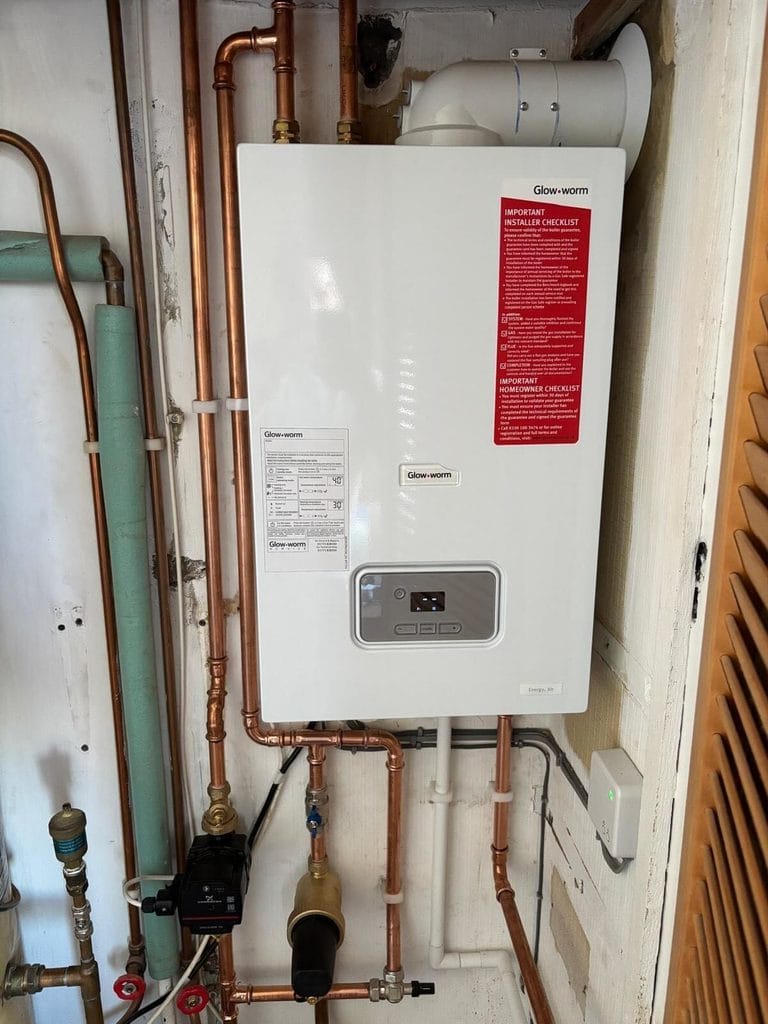
Frequently Asked Questions
How long does a boiler installation take?
The timescale depends on the type of boiler, the existing heating system and whether modifications are required. A straightforward replacement may be completed relatively quickly, while more complex installations can take longer.
Which type of boiler is best for a home in Swindon?
There is no single boiler type that is suitable for every property. The appropriate choice depends on factors such as property size, number of bathrooms, hot water demand and the existing heating system.
Can I replace an old boiler with a combi boiler?
In many homes, a traditional or system boiler can potentially be replaced with a combi boiler. However, the property’s water pressure, pipework and hot water requirements should be assessed beforehand.
How often should a boiler be serviced?
Homeowners should follow the manufacturer’s servicing recommendations and have the system checked by an appropriately qualified professional. Regular servicing can help identify developing problems and maintain safe operation.
What should I consider before installing a new boiler?
Consider the size of your property, hot water requirements, boiler type, available installation space, energy efficiency, controls, warranty and future servicing requirements.
Conclusion
A reliable boiler can make a significant difference to household comfort, heating performance and hot water availability. Choosing the appropriate system and having it professionally installed can help homeowners achieve dependable results while supporting efficient energy use. For homeowners considering a new or replacement heating system, professional advice can help ensure the boiler is suitable for the property’s specific requirements.
Contact
Phone: 01225 705626
Email: info@cheesemanplumbing.com
Address: 2 Marti Close, Melksham, SN12 7JA.