


Winter weather can bring many challenges for homeowners, and one of the most common plumbing concerns during colder months is frozen pipes. When temperatures drop below freezing, the water inside pipes can freeze and expand, which may lead to cracks or even burst pipes.
Many homeowners ask the important question: how can I prevent frozen pipes in winter? Taking the right preventative steps before temperatures drop can protect your plumbing system and help avoid costly repairs.
Frozen pipes are not only inconvenient but can also cause serious water damage if they burst. By understanding why pipes freeze and implementing preventative measures, homeowners can reduce the risk and keep their plumbing systems functioning properly throughout the winter season.
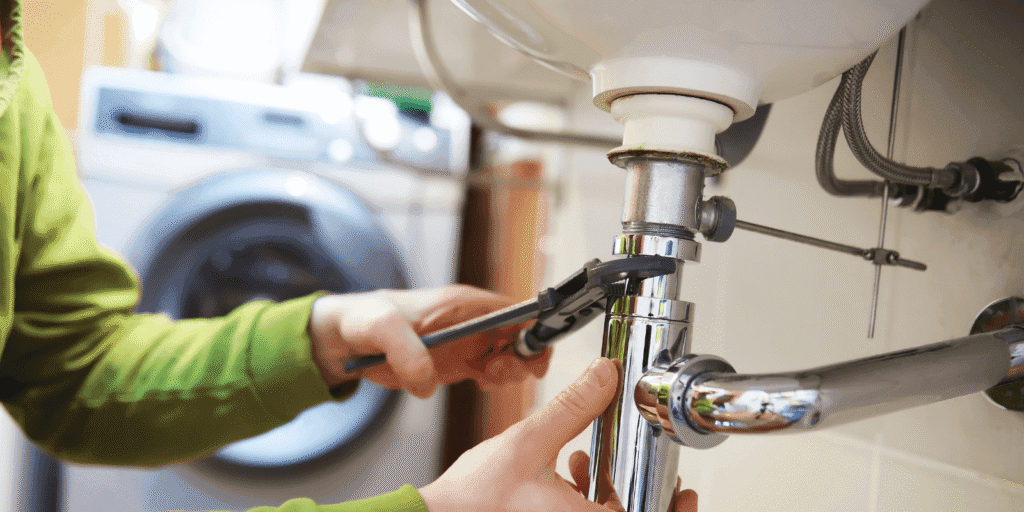
Why Pipes Freeze in Cold Weather
To understand how can I prevent frozen pipes in winter, it is helpful to know why pipes freeze in the first place. Water expands when it freezes. When the water inside a pipe freezes, it puts pressure on the pipe walls.
This pressure can cause pipes to crack or burst, allowing water to leak once the ice begins to thaw.
Pipes located in unheated or poorly insulated areas are most vulnerable to freezing. These areas often include garages, basements, loft spaces, and exterior walls.
When outside temperatures drop significantly, these pipes may reach freezing temperatures quickly if they are not properly protected.
Insulate Exposed Pipes
One of the most effective solutions when considering how can I prevent frozen pipes in winter is insulating exposed pipes. Pipe insulation helps retain heat and prevents the water inside from freezing.
Foam pipe sleeves or insulation wraps are commonly used to cover pipes located in unheated areas such as lofts, basements, or garages.
Even pipes inside cupboards or along exterior walls can benefit from insulation during very cold weather.
Proper insulation acts as a barrier against freezing temperatures and significantly reduces the chances of pipe damage.
Keep Your Home Warm
Maintaining a consistent indoor temperature is another important step in preventing frozen pipes.
Even if you are away from home during winter, it is important to keep the heating system running at a low but steady temperature. Allowing indoor temperatures to drop too low increases the risk of pipes freezing.
Many homeowners lower their heating when leaving for extended periods, but maintaining a minimum indoor temperature helps protect the plumbing system.
Keeping internal doors open can also help warm air circulate throughout the house, ensuring pipes remain above freezing temperatures.
Let Taps Drip Slightly
Allowing taps to drip slightly during extremely cold weather can help prevent frozen pipes. When water moves through pipes, it becomes less likely to freeze.
A small, steady trickle of water can relieve pressure inside the plumbing system and reduce the chances of ice forming inside pipes.
This method is particularly helpful for pipes that run along exterior walls or areas exposed to colder temperatures.
Although it may seem wasteful, a slow drip uses very little water compared to the cost of repairing a burst pipe.
Seal Cracks and Openings
Cold air entering the home can lower temperatures around pipes and increase the risk of freezing.
To address the concern of how can I prevent frozen pipes in winter, homeowners should inspect their homes for cracks or openings where cold air can enter.
Sealing gaps around windows, doors, and wall openings helps keep cold air out and warm air inside.
Pay special attention to areas where pipes enter the house, as these spots often allow cold air to reach plumbing lines.
Simple sealing measures can make a big difference in protecting pipes during winter.
Open Cabinet Doors
Pipes under kitchen and bathroom sinks are often located near exterior walls where temperatures can drop quickly.
Opening cabinet doors allows warm air from the room to circulate around these pipes.
This simple step can help maintain a warmer environment around plumbing fixtures and prevent freezing.
If you are wondering how can I prevent frozen pipes in winter without major modifications, this quick and easy solution can provide additional protection.
Disconnect Outdoor Hoses
Outdoor taps and garden hoses are particularly vulnerable during winter. Water left inside hoses can freeze and cause pressure to build inside connected pipes.
Before temperatures drop, it is important to disconnect and drain all outdoor hoses.
Shutting off the water supply to outdoor taps and draining the pipes can further reduce the risk of freezing.
Taking care of outdoor plumbing fixtures is a key step when considering how can I prevent frozen pipes in winter.
What to Do If Pipes Start Freezing
Even with precautions, pipes may sometimes begin to freeze during extremely cold weather. Recognising early warning signs can help prevent a burst pipe.
Reduced water flow from taps may indicate ice forming inside the pipe. If this happens, turning on the tap slightly can help relieve pressure.
Applying gentle heat to the frozen pipe using a hairdryer or heating pad can slowly thaw the ice.
However, open flames or high heat sources should never be used, as they can damage pipes or create fire hazards.
If pipes remain frozen or you are unsure how to handle the situation safely, contacting a professional plumber is the best course of action.
The Importance of Professional Plumbing Support
While preventative measures can greatly reduce the risk of frozen pipes, professional plumbing inspections can provide additional peace of mind.
Experienced plumbers can identify vulnerable areas within a home’s plumbing system and recommend appropriate insulation or upgrades.
Regular inspections ensure that pipes remain in good condition and are properly protected against harsh winter temperatures.
If homeowners continue to ask how can I prevent frozen pipes in winter, consulting plumbing professionals can provide tailored solutions based on the home’s specific plumbing layout.
FAQ
Why are frozen pipes dangerous?
Frozen pipes can burst due to the pressure created when water expands as it freezes. This can lead to significant water damage once the pipe thaws.
Which pipes are most likely to freeze?
Pipes located in unheated areas such as lofts, basements, garages, and exterior walls are most vulnerable during cold weather.
Should I turn off my water supply when going on holiday in winter?
Turning off the main water supply and draining the system can help protect your home from potential pipe bursts while you are away.
Can insulation completely prevent frozen pipes?
Insulation greatly reduces the risk but may not completely eliminate freezing during extremely low temperatures.
When should I call a plumber for frozen pipes?
If a pipe has burst or you cannot safely thaw the frozen section, contacting a professional plumber is recommended.
Conclusion
Homeowners often worry about how can I prevent frozen pipes in winter, especially when temperatures drop significantly. Frozen pipes can cause serious plumbing damage and costly repairs, but many problems can be avoided with simple preventative steps.
Insulating exposed pipes, maintaining indoor heating, sealing gaps that allow cold air inside, and protecting outdoor plumbing fixtures are all effective strategies for reducing the risk of freezing. Taking action before the coldest months arrive can help keep your plumbing system safe and functional throughout winter.
When additional support is needed, professional plumbing services from Philip Cheeseman & Sons can help ensure your pipes remain protected and your home stays safe during freezing conditions.
Contact Information
Philip Cheeseman & Sons
Phone: 01225 705626
Email: info@cheesemanplumbing.com
Address: 2 Marti Close, Melksham, SN12 7JA